A Cinematic, Visual, and Musical Masterpiece

I was fortunate enough to watch Interstellar with my Dad on the big screen back in 2014. At that time, I was just 9 years old, and upon reflection, I can hardly remember anything from that initial viewing. However, one thing remains vivid in my memory: my Dad absolutely loved it. So, when I settled down to watch it again, my expectations were sky-high.
My expectations weren’t just met; they were knocked out of the park. Interstellar is the kind of cinematic gem that’s increasingly rare to find these days, and it’s clear that Christopher Nolan poured his heart and soul into this creation. Now, I’m not typically drawn to space dramas – they tend to give me the creeps. However, what Nolan achieved with Interstellar pulled me in like a magnet.
I watched the movie late at night, with massive speakers on both sides of the TV. Interstellar turned into a sensory feast – visually and audibly breathtaking. I’d even go so far as to call it a cinematic and visual masterpiece. The camera work was top-notch, with sets that felt like real places and spaceships that seamlessly blended into our world. Nolan’s direction fully immersed me.
The film offered countless unforgettable shots, from the captivating water planet to the desolate ice world where Cooper (Matthew McConaughey) encounters Dr. Mann (Matt Damon). Moments like their journey around Saturn and their harrowing encounter with a scientifically accurate black hole left me awestruck.
Given its nature as a space odyssey, Interstellar delves into complex concepts that might be unfamiliar to the general audience. However, the movie skillfully navigates these intricate ideas, such as time dilation (which I’ve covered in a podcast episode) and black holes (another podcast episode), making them surprisingly accessible.
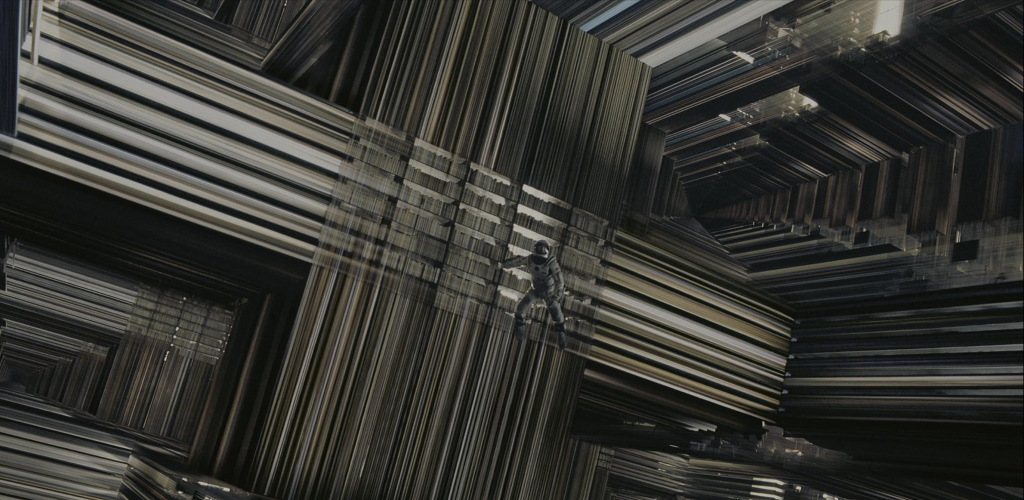
Nevertheless, it’s worth noting that the film does contain noticeable plot holes and conveniences. For instance, the way Murphy (Jessica Chastain) deciphers her malfunctioning watch as Morse code containing the equation for quantum gravity, supposedly sent by her interdimensional, time-traveling father, feels a bit contrived. Similarly, employing an enormous grid-like structure, the ‘Tesseract,’ for communication across the fifth dimension, designed by future humans, raises logical questions. But, after all, predicting the future isn’t exactly our forte, is it?
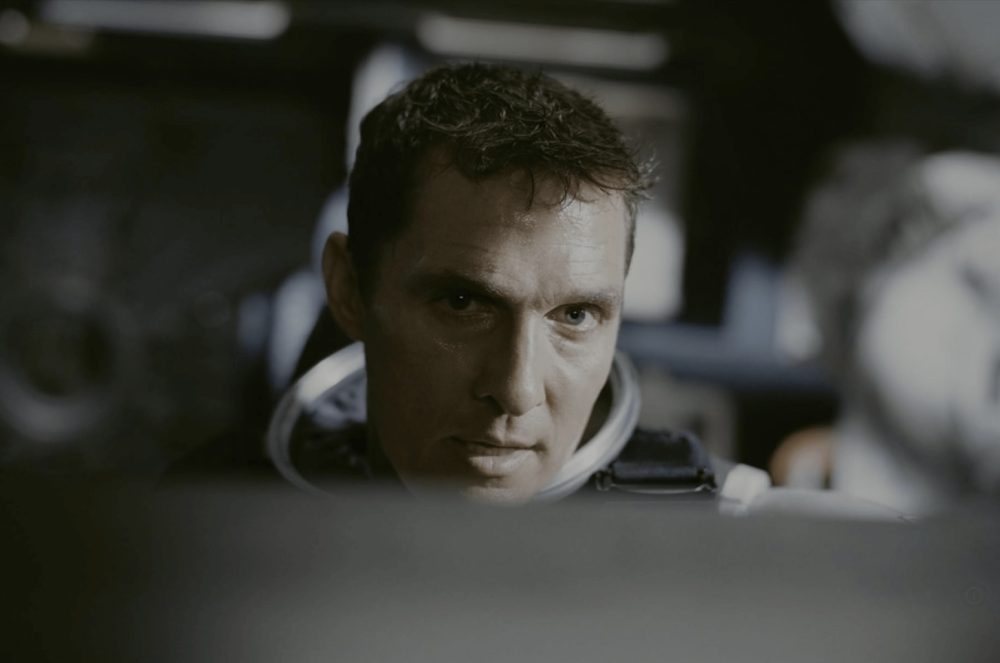
The acting performances in Interstellar were top-tier, particularly from McConaughey and Anne Hathaway. However, it was McConaughey who truly carried the film with his emotive performance. There were moments when I couldn’t help but shed a few tears due to the portrayal of the father-daughter relationship between Cooper and Murphy. Stripping away the grandeur of space and time, at its core, Interstellar is a poignant story of fatherhood and the instinct to protect one’s children. Nolan’s craftsmanship in depicting this human connection, coupled with McConaughey’s exceptional performance, sealed the deal.
Beyond the stunning visuals and compelling performances, the real standout of the film is its soundtrack, composed by none other than Hans Zimmer. I’m a huge Zimmer fan, and this score ranks among his best. Zimmer’s composition seamlessly integrates with the film’s emotional narrative and fits perfectly with every scene. It’s incredibly memorable – to the point where I can confidently hum much of the main theme. Just as Interstellar stands as a cinematic and visual masterpiece, its accompanying score is a musical marvel in its own right. I truly believe that a soundtrack can make or break a film, and Hans Zimmer not only made the film work but elevated it to an entirely new level. It’s often the first thing people discuss when the movie comes up in conversation.
Interstellar is a superbly paced film with a robust plot and a compelling narrative, and I was thoroughly entertained throughout. Its cinematography and visuals are on a level that few, if any, other films can match. I appreciate the subtle nods to 2001: A Space Odyssey, a film that Nolan himself holds in high regard.
As for the ending, which has sparked various opinions, I found it somewhat abrupt but fitting. It leaves viewers with a touching, bittersweet note that lingers in the mind. I still find myself wondering whether Cooper returns for Dr. Brand (Anne Hathaway) at the end, but that’s the beauty of Nolan’s films – they leave you perpetually curious about what’s next.
Interstellar is one of those movies that you think long hard about after you’ve turned off the lights and gone to sleep. It has set a high standard for other adventure and sci-fi films, and it leaves me yearning for more movies crafted with the same level of meticulous care, thoughtfulness, and a daring, experimental approach.