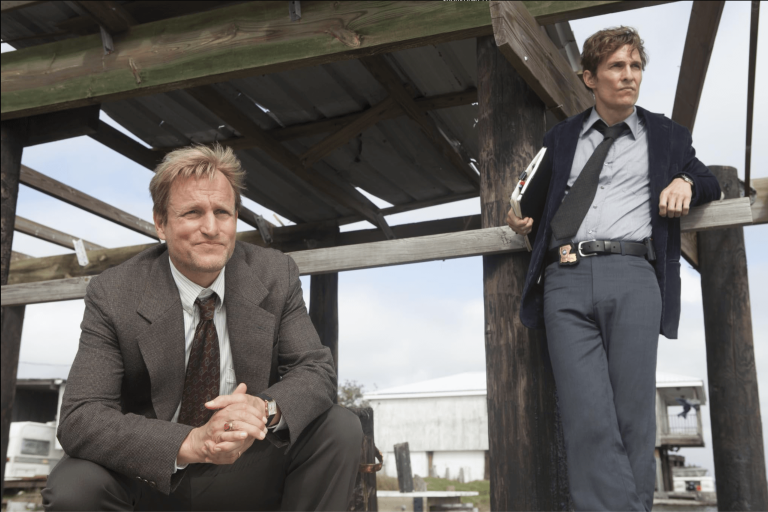
A Live-Action Done Right

After Netflix’s gigantic flop that was the live-action Cowboy Bebop, produced by the same studio, I had super low hopes for its take on One Piece. I couldn’t have been more wrong. One Piece is a masterclass in how to do a live-action anime adaptation the right way. While it may not reach the pinnacle of perfection, it certainly gets the job done.
So, how does it succeed? It accomplishes one crucial thing: it tells a story that captures the essence of its rich world and adheres to traditional storytelling conventions. It’s simple yet well-executed. Each character goes through their own mini arc, facing challenges and growing along the way. I felt like I was part of their quest, and the payoff was totally worth it.
The whole cast is likeable, and I don’t have any complains about any of the casting choices. Iñaki Godoy as brilliantly channels the spirit of Luffy, embracing his trademark goofiness with natural ease. Emily Rudd’s portrayal of Nami is convincing and fits the character’s image perfectly, and she especially won my heart during the latter half of the series. Mackenyu as Roronoa Zoro was a perfect fit. He’s got the right physique and exudes that coolness we love. Although he’s more calm and composed compared to the source material, it works perfectly fine. Now, I didn’t have an issue with Jacob Gibsen as Usopp, but his backstory felt rushed, and he seemed way more serious than his animated self. I wasn’t a big fan of the direction they took with his character.
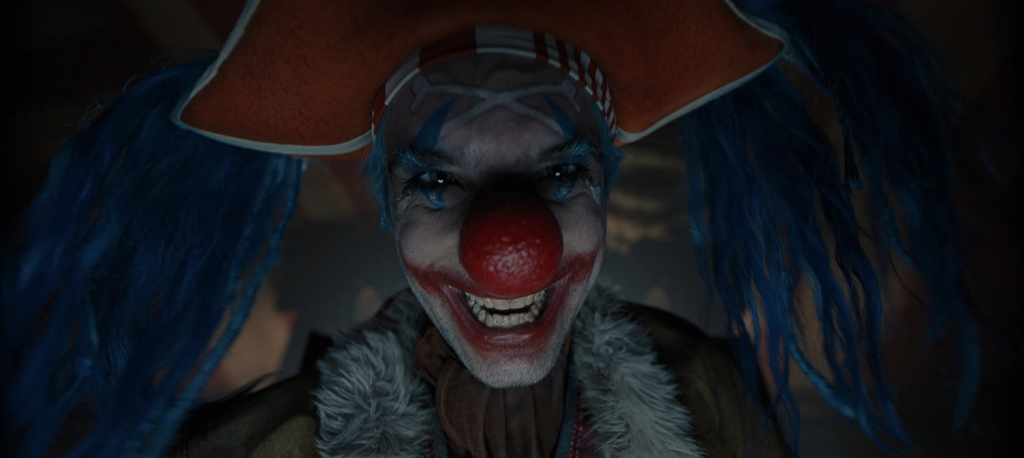
Above all, however, the side characters—especially the villains—really brought their A-game. The costume designs were on point, and characters like Buggy (Jeff Ward) and Arlong (McKinley Belcher III) were handled well. I’m eager to see more intriguing takes on One Piece’s antagonists in the future.
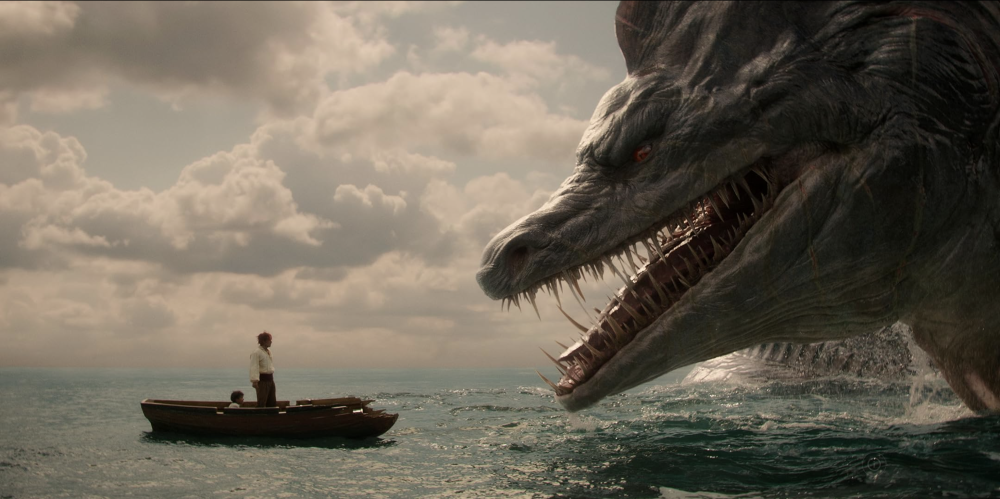
Visually, the show is impresses. The sets are realistic, and the fact that they actually built the ships adds a layer of appreciation for their dedication. CGI isn’t overdone, and some parts closely match the source material. But there were a few moments that missed the mark. Some movements seemed unnatural, making certain scenes appear somewhat fake. Few shots were also too speedy, making it tough to process everything. I get they might be working on a tight budget, so I didn’t have a huge issue with it, but it did mess with my immersion a bit.
Though I don’t typically prefer the idea of “filler episodes,” which I find to be unnecessary fluff that doesn’t contribute in any way to the storyline, I do feel like the show could’ve had more scenes in which much wasn’t happening to let the world sink in. This could’ve been done by focusing more on characterization, or perhaps by allowing the audience to spend more time with the crew during their voyages at sea. Then again, with a restriction of just 8 episodes, it would be near impossible to incorporate.
All in all, One Piece was an enjoyable and entertaining watch. Adapting entire story arcs into just single-digit episodes must’ve been a real challenge, and I have to say, they pulled it off impressively. Though I was worried about what Netflix might do to the series, given their track record with adaptations, it was a relief to find out that Eiichiro Oda, the One Piece creator, maintained creative control over the series, ensuring it moved forward with his approval.